
"Costa Rican coffee regions"
1000 article(s) found

Introduction to the characteristics of manor honey treatment in Costa Rica coffee producing area what is the flavor and taste quality of Costa Rican coffee beans
You have heard of Costa Rica's wildlife, lush rainforests and amazing beaches, all of which make it famous all over the world. However, there is another reason to add Costa Rica to your travel list: coffee. In addition to winning famous awards in international competitions, Costa Rican coffee has

Costa Rican Yellow Honey Coffee Bean Flavor Description Grind Scale Variety Production Area Treatment Introduction
Costa Rica Yellow Honey Coffee Bean Flavor Description Grind Scale Variety Area Treatment Introduction Aroma: Dry and wet aroma has a distinct maple syrup aroma, that is, the sweet taste of pectin fructose of high-quality very light roasted beans, and caramel sweet; hot smell aroma is very high, similar to grapefruit, a little cold or diluted can be identified as honeydew melon. Flavor: The taste of honeydew melon is obvious, with a little bit

A brief description of the flavor, taste and aroma of coffee beans in the Goddess Manor with clear and sour flavor.
Other kinds of Brazilian coffee, such as Rio and Parana, can be produced in large quantities because they do not require too much care. Although the taste is rough, it is a kind of high-quality and inexpensive coffee, which has its own standards because it is distributed all over the country and its solid quality varies (NO.2NO.8 according to the number of sundries, NO.13NO.19 according to the size of beans, six grades according to taste).

Costa Rican coffee bean flavor description grinding scale production area variety treatment method taste introduction
Costa Rican coffee bean flavor description grinding scale production area variety treatment method excellent taste of Costa Rican coffee is called extra hard beans, this kind of coffee can grow above 1500 meters above sea level. Altitude has always been a problem for coffee growers. The higher the altitude, the better the coffee beans, not only because higher altitude can increase the acidity of coffee beans and thus increase the flavor of coffee beans.

Costa Rican Tarazhu Coffee Bean Flavor description characteristics of Grinding degree Variety Manor
Costa Rican Tarazu coffee beans coffee raw bean treatment honey treatment. Honey treatment originated in Costa rica. to put it simply, honey treatment is a way to treat coffee with pectin and endocarp after the peel and flesh are removed. The key to distinguish between different honey treatments lies in the choice of the remaining pectin: retaining the proportion of pectin and drying speed and method.

Introduction to the regional treatment method of coffee bean production in Las Haas Manor, Costa Rica
Costa Rica Las Haas Manor Coffee production area the most famous of which is mountain Costa Rican coffee, which tastes mellow and neutral, and it can be boiled directly, or mixed with other kinds of coffee beans into comprehensive coffee, it is also a good choice. Other kinds of Brazilian coffee, such as Rio and Parana, can be used in large quantities because they don't need too much care.

Description of taste and flavor of Costa Rican coffee beans in Goddess Manor
Following Cafe (Wechat official account vdailycom) found that the Beautiful Cafe opened a small shop of its own [introduction] the Dota region, located in the best-known tarrazu region of Costa Rica, is famous for producing micro-batch varieties of geisha! in 1865, the Dota area enjoyed the reputation of good Costa Rican coffee because of the need for highway construction extending from the capital to the Dota Valley.

Costa Rican coffee beans with full grain flavor and taste
Located about 30 kilometers northeast of San Jose, Costa Rica's capital, this research center belongs to the Costa Rica Coffee Association, which is Costa Rica's national research institution for coffee planting, breeding and quality inspection of Brazilian coffee. In addition, it also has 10 hectares of experimental fields planted with many excellent varieties. Coffee is Costa Rica's main agricultural product, producing more than 2 million bags a year.

Introduction of Costa Rican Coffee producing area | what should be paid attention to when baking Costa Rican coffee beans
Professional coffee knowledge exchange more coffee bean information Please pay attention to the coffee workshop (Wechat official account cafe_style) We often talk about the regional flavor, coffee due to its origin of different altitude, soil, precipitation, climate, windward, leeward, sunny, back sun and produce a unique flavor, each slight difference will affect the final presentation of coffee flavor. Costa Rica produces it.

A brief introduction to the origin, development, history and culture of fine coffee beans in the Goddess Manor with clear and sour flavor.
Other kinds of Brazilian coffee, such as Rio and Parana, can be produced in large quantities because they do not need too much care. Although the taste is rough, it is a kind of good and cheap coffee. It has its own standard because it is distributed all over the country and its solid quality varies. It has its own standard (NO.2~NO.8 according to the number of sundries, NO.13~NO.19 according to the size of beans, and six grades according to taste).

Description of Coffee Flavor in the Goddess Manor of extra hard beans in Costa Rica
Costa Rican coffee has obvious acidity, acidity is strong, but not irritating and divergent, the whole mouth will be filled with this fruit-like sweet and sour aroma. The bitterness is not very obvious, but it has a beautiful return. There is no astringent taste, the overall taste is very pure and balanced, making people feel very soft. If you wait until it is a little cooler before tasting it, the sour taste will become more obvious.

The strong scented Costa Rican Yerzaro boutique coffee bean cultivation situation, geographical location, climate sea
There are many kinds of coffee here, but its industrial policy is large and cheap, so there is not much premium coffee, but it is a good choice for mixing other coffees. The newly developed villa sarchi planting, breeding and quality inspection research institutions, in addition, it also has 10 hectares of experimental plots, planting a number of excellent varieties. Coffee is the main agricultural product in Costa Rica, with an annual output of more than 2 million.

Differences, distinctions and awards of single beans in the Goddess Manor of Costa Rica
Professional baristas exchange please follow the coffee workshop (Wechat official account cafe_style) Costa Rican Goddess Manor single bean differences, distinctions and awards Costa Rica Costa Rican population: 4586000 in the past, Costa Rica has successfully sold its coffee under the name of the region where it is produced. However, tastes vary from region to region, so it's worth it.
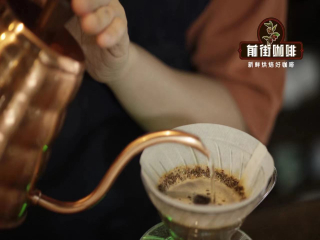
Costa Rican Tarazu Coffee Bean Variety Rosa Coffee Bean difference between Kadulakaduai Coffee Bean
Following Cafe (official Wechat account vdailycom) found that Costa Rica has a small shop of its own, bordering the Caribbean Sea on the east and the Pacific Ocean on the west, as the country's name means in Spanish: fertile shores. Costa Rica is located in SanJos, the capital of the State of Tarasu.

Rich fruity Costa Rican Goddess Manor Coffee Flavor Taste Characteristics Introduction to the region
In the 1948 general election, J. M. H. Figueres Ferrer, leader of the Social Democratic Party, launched a civil war, seized power, established a ruling council (see Costa Rica Civil War), and the People's Pioneer Party was declared illegal. In 1949 Figueres Ferrer handed over power to the elected leader of the National League, O. Urat Blanco. In October 1951, led by Figueres Ferrer, the People's Republic of China was founded.

Fresh and rich Costa Rican Phoenix Manor Fine Coffee Bean Cultivation Location Climate
One of the most notable is Costa Rican Tarrazu, produced in the Tarrazu region near the capital San José. The production area benefits from the warm and humid air flow of the Pacific Ocean, has obvious dry and wet seasons, and the weakly acidic volcanic soil is rich in organic matter, which creates good conditions for the root development of coffee plants. The production area is 900-1600 meters above sea level, 80% of which are located at 1000-1400 meters. This coffee has its

Tarazhu Cooperative's loud and long sour Costa Rican coffee
Professional coffee knowledge exchange more coffee bean information please follow the coffee workshop (Wechat official account cafe_style) Costa Rica Coffee cultivation was introduced from Cuba in 1779, only the first export of coffee in 1820, there are about 32000 coffee farmers, the average planting area per farmer is less than one hectare (10000 tons). Costa Rica has a population of 41 billion.

Costa Rican coffee shop label custom introduction limited batch next-day geisha coffee flavor description
Professional barista exchanges please follow the coffee workshop (Wechat official account cafe_style) Costa Rica Coffee Tower Goddess Manor Geisha / Rosa / Geisha Solar treatment Costa Rica Dota El Diosa Geisha Natural limited sun micro-batches, special microclimate and volcanic ash soil (PH 4.85.4), the planting area is separately divided, in almost at
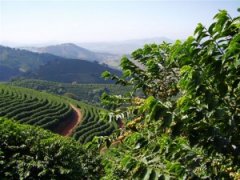
Costa Rican boutique coffee roasting training
As many people know in the boutique coffee world, Costa Rica Tarazhu is located in the fertile volcanic region of Central America, where it has a humid climate and fertile volcanic soil, abundant rainfall throughout the year, high altitude and dense forest natural shade. It provides a unique growth environment for coffee growth. Today, the Brista Coffee West Point training school is going to bring for friends.

A brief introduction to the History and Culture of the Origin and Development of Costa Rican Yerzaro Fine Coffee beans
The newly developed villa sarchi planting, breeding and quality inspection research institutions, in addition, it also has 10 hectares of experimental plots, planting a number of excellent varieties. Coffee is Costa Rica's main agricultural product, with an annual output of more than 2 million bags (60 kilograms) and foreign exchange earnings of 250 million US dollars, second only to pineapples and bananas. All the coffee trees planted in Costa Rica are Arabica coffee trees.